
Table of Contents
Cartridges play a critical role in many emergency applications, making reliable and safe operation paramount. They may not perform as intended after expiration, leading to various safety and environmental risks. Proper cartridge disposal minimizes dangers and ensures the hazardous material is appropriately destroyed or recycled.
Learn more about the importance of expired cartridge disposal, legal regulations surrounding discarding hazardous waste and how to get rid of cartridges safely and responsibly.
Understanding Cartridge Cutters
Cartridge cutters are vital to creating controlled explosions for various applications in many industries, including military, commercial and private aviation. They use energetic materials and a blade to explosively cut through components such as lines or cables within milliseconds. Their applications include:
- Setting off essential safety components in aircraft, such as evacuation slides or rafts.
- Releasing cargo.
- Ejecting flares.
- Opening pressure valves.
- Deploying parachutes.
Organizations that use cartridge cutters depend on their reliable and safe operation. A cartridge’s expiration is based on its designated shelf life and expired units may not perform as expected, posing several safety risks.
Why Expired Cartridges Are Hazardous
Cartridges contain many intricate components, from explosive materials to electrical connectors. Each part must be in top condition to ensure the cartridge operates as intended.
Aging can affect many parts within a cartridge, leading to safety and environmental concerns such as:
- Accidental detonations.
- Soil and water contamination.
- Chemical degradation or reaction leading to increased toxicity.
- Corrosion.
- Physical deterioration, increasing the risks of leaks, spills and explosions.
Legal Regulations and Guidelines for Disposal
Proper cartridge disposal is crucial to minimizing safety risks and environmental contamination. Local and regional laws may differ across the United States, so you need to learn about regulations within your specific area to ensure compliance. Many states have their own regulatory requirements for hazardous waste disposal in addition to federal laws.
Several federal regulatory bodies provide guidelines related to hazardous waste, including the following:
- The Environmental Protection Agency (EPA): The EPA regulates hazardous waste disposal through the Resource Conservation and Recovery Act (RCRA).
- The Department of Transportation (DOT): DOT outlines requirements for transporting hazardous materials, which may be applicable if your organization needs to move expired cartridges for disposal.
- The Occupational Safety and Health Administration (OSHA): OSHA’s Hazardous Waste Operations and Emergency Response (HAZWOPER) standards detail safety requirements to protect employees who handle hazardous materials.

3 Steps for Proper Disposal of Expired Cartridge Cutters
Always follow manufacturer guidelines for expired cartridge disposal to ensure personnel safety and environmental protection. The Safety Data Sheet (SDS) for your specific product will explain hazards associated with the cartridge and protective measures to take when transporting and disposing of it after expiration.
The following steps provide a general outline for cartridge disposal.
1. Contact a Licensed Hazardous Waste Management Company
Locate a professional and licensed hazardous waste management company in your area. One that specializes in explosive materials will have the expertise and properly equipped facilities to handle and dispose of explosive hazardous waste safely. Many of these companies have the resources and capabilities to discard explosive materials through secure, confined methods that help protect the environment.
2. Store or Transport Hazardous Waste Securely
Some hazardous waste management companies can transport the waste from your facility to their own for treatment and disposal. While awaiting pickup, ensure personnel wear appropriate protective gear when handling expired cartridges. Store the waste away from heat, moisture and other incompatible materials. Label them clearly and avoid mixing them with other types of waste to minimize safety threats.
If you need to transport the expired cartridges yourself, follow DOT and EPA regulations to ensure safe handling and transport. The explosive hazardous waste will need to be properly labeled, marked and stored.
3. Document Everything
As you dispose of your expired cartridges, maintain thorough documentation of the process. These records enable you to demonstrate your compliance with regulatory requirements such as RCRA and any additional state or local guidelines.
Documentation may need to include details, including the following:
- Identification of the waste as explosive
- The amount of explosive waste being disposed of
- Information about the facility where the hazardous waste will be discarded
- Transportation methods used
- A hazardous waste manifest system
Alternatives to Disposal
Some hazardous waste management companies may be able to recycle certain materials from the expired cartridge. Recycling capabilities will depend on the cartridge type and the waste management organization’s specific capabilities and facilities.
Recycling opportunities are also regulated by the RCRA to ensure safety and environmental protection. When preparing to dispose of expired cartridges, check with manufacturers to see if they offer a take-back program.
Manufacturers often have the resources, facilities and expertise to properly handle, transport and discard cartridges. Some may be able to recycle a few different components.
Best Practices for Cartridge Management
Clear cutter cartridge management practices enable you to monitor cartridge status and replace them when they expire and become a greater safety risk. Implement best practices such as:
- Proper storage: Place cartridges in clearly labeled containers with information such as purchase and expiration dates. Store containers in designated and secure areas to minimize exposure to sunlight, heat sources, moisture, unauthorized access and mishandling.
- Regular maintenance: Inspect cartridges in storage and in use often, looking for signs that may indicate degradation, such as corrosion or leaks. Conducting regular maintenance enables you to ensure safety and reliability.
- Employee training: Personnel tasked with handling and disposing of hazardous materials such as cartridges must stay updated on the latest training and education. These employees should be familiar with relevant regulations, proper storage procedures and how to identify signs of expiration.
- Inventory management systems: Incorporating an inventory management system into your facility’s workflow can help with expiration tracking. A consistent and accurate maintenance log that tracks inspections and replacements will also be useful in managing cartridges.
- Emergency response plans: Your facility should have an emergency response plan in place to ensure employees know how to respond to an accidental detonation and other related emergencies. Prepare your workforce to handle and dispose of expired cartridges in emergency situations.
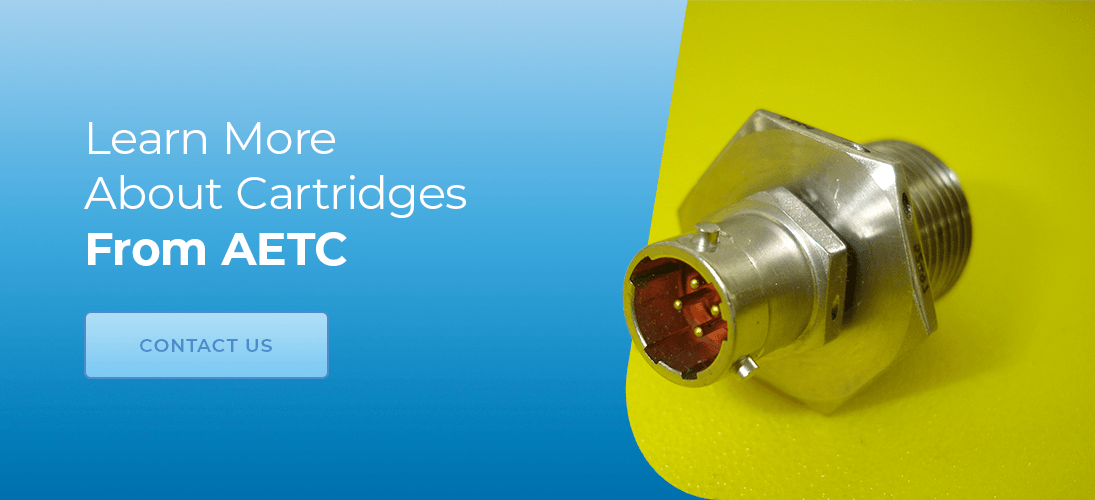
Learn More About Cartridges From AETC
Responsible cartridge disposal is critical to safety. Working with your manufacturer and other hazardous waste disposal experts enables you to discard expired cartridges in ways that protect your personnel and the environment.
AETC is your one-stop shop for safe, reliable cartridges. Since 1978, we have delivered quality solutions for our customers across military, private and commercial aerospace sectors. We offer a comprehensive variety of cartridges and other products to deliver custom solutions for your organization’s needs.
Contact us today for more information about cartridge disposal, or browse our products to learn more about our offerings.